Choosing an electric bike usually starts with a simple goal: getting from point A to point B comfortably and efficiently. But once you dig into the specs, you quickly run into technical choices. One of the biggest decisions you will face is selecting the right voltage—specifically, deciding between a 48V and a 60V e-bike setup.
Voltage is essentially the “pressure” of your e-bike’s electrical system. It directly influences acceleration, top speed, and how effortlessly your bike handles steep inclines or extra weight. Pick too little power, and your daily commute feels sluggish; pick too much, and you might end up with more speed and weight than your local trails or local regulations permit.
Let’s break down what these voltage differences actually mean on the road and look at real-world examples to help you make the right call.
Understanding the Core Difference: Voltage, Torque, and Power
To understand how a 48V system compares to a 60V system, think of voltage as the force pushing energy from the battery to the motor.
- 48V Systems (The All-Around Standard): A 48V architecture is the sweet spot for modern standard and high-performance e-bikes. It delivers ample power for daily commuting, heavy cargo hauling, and steep city hills without requiring massive, heavy battery packs.
- 60V Systems (The High-Performance Tier): A 60V setup is built for riders demanding extreme performance, higher top speeds, and rapid acceleration. Higher voltage allows the system to deliver more total watt-hours with less current strain, reducing heat build-up under heavy loads.
If you are commuting through urban traffic, a 48V system offers plenty of torque while keeping the bike manageable in weight and maneuverability. If you are tackling serious off-road terrain or need motorcycle-like speeds, a 60V system takes over.
48V E-Bikes: Everyday Versatility and High Utility
For most riders, a well-engineered 48V e-bike provides more than enough punch. The real test comes down to how that power is packaged—whether you need portable convenience or rugged double-passenger utility.
Portable Power: The Folding All-Terrain Option
If storage space is tight but you still need heavy-duty performance, high-capacity 48V folding models step in.
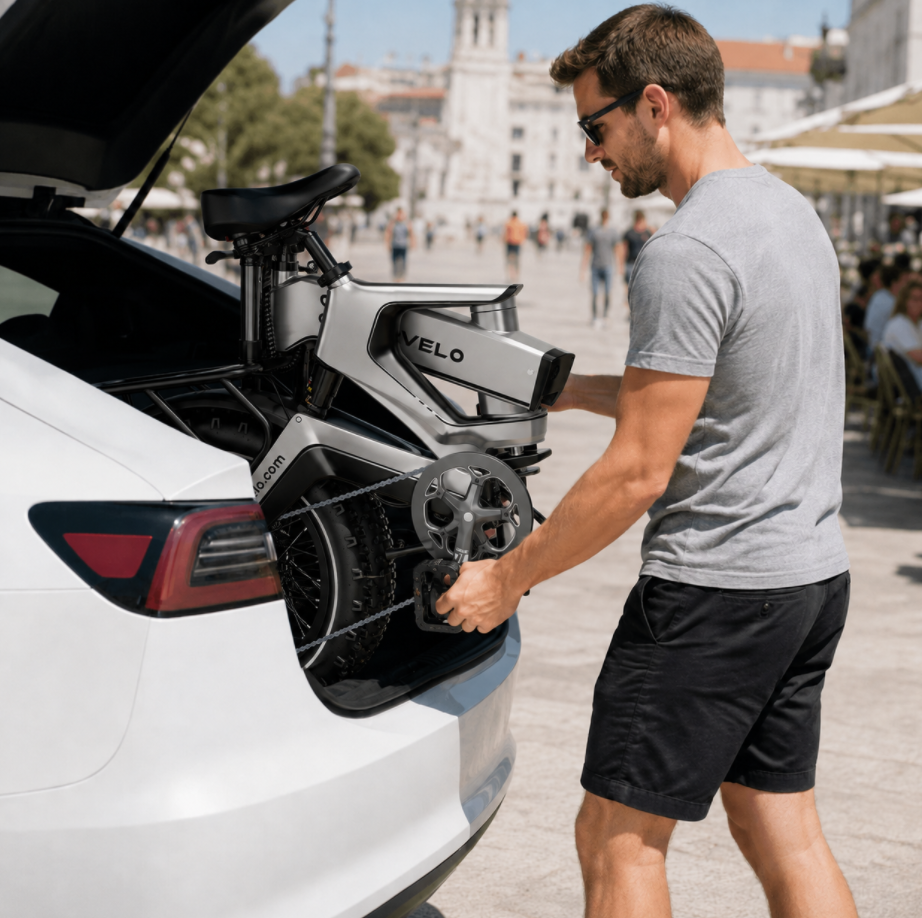
Take a look at the Cybervelo EK6 Folding Electric Bike. Packed with a 48V 40Ah battery and a robust 1500W high-speed motor, this machine breaks the myth that folding bikes are weak. It achieves top speeds of 40 MPH and an impressive range of up to 120 miles.
With 20×4.0 fat tires, a full dual-suspension system, and premium hydraulic disc brakes, it gives you full-size off-road stability that still folds down for trunk storage or apartment living.
Heavy-Duty Utility: The Urban Passenger Cruiser
If your daily routine involves carrying gear or carrying a passenger, structural geometry matters just as much as electrical power.
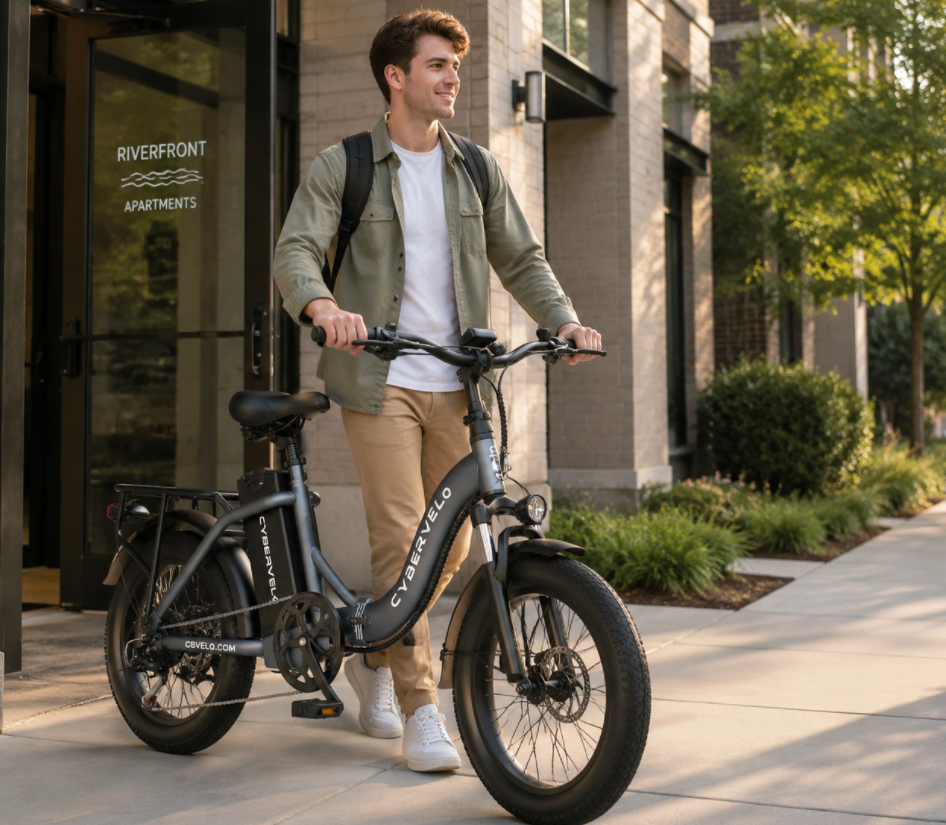
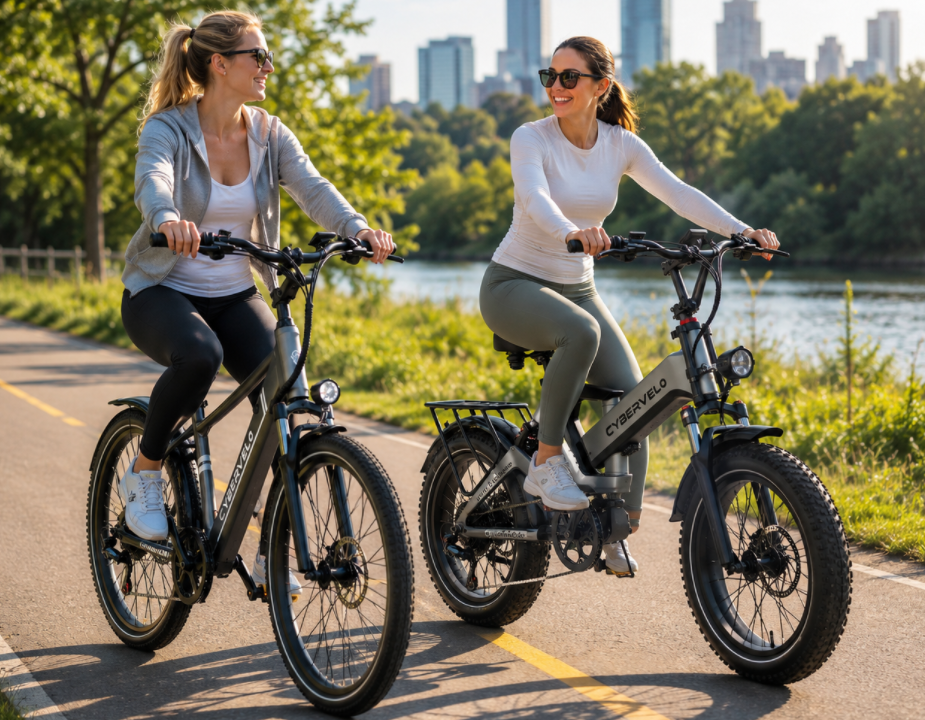
The Cybervelo EK11 utilizes a 48V setup (available in 20Ah or 30Ah) paired with a 1000W motor. Built on a high-carbon steel frame with an extended seat, it is explicitly designed for carrying two people safely.
With a capped top speed of 28 MPH and a range of up to 80 miles, the EK11 emphasizes safety and longevity with one-piece magnesium alloy wheels, front/rear shock absorbers, and integrated lighting for night rides. It represents the practical side of 48V efficiency—dependable, structured, and easy to manage daily.
60V E-Bikes: Uncompromised Power and Off-Road Dominance
When you shift from 48V to 60V, you step into a completely different vehicle class. Higher voltage delivers higher torque density, faster throttle response, and sustained top-end speeds.
The Speed and Torque Monster
For riders who view their e-bike as a legitimate alternative to light motorcycles or trail-blazing off-roaders, 60V is the standard.
The Cybervelo EK9 showcases what happens when high voltage meets raw output. Running on a massive 60V 50Ah battery and a staggering 5000W motor, the EK9 hits top speeds of 50 MPH and generates 120 N·m of torque.
Equipped with 26 x 4.0 fat tires, a dual crown aluminum alloy suspension fork with lockout, and high-performance TEKTRO/Logan 203mm hydraulic brakes, this bike handles extreme inclines and high-speed trails effortless. The 60V electrical architecture ensures that even at high speeds, energy transfer remains efficient without overheating the system.
Buying Guide: 48V vs 60V Head-to-Head
| Feature / Need | 48V E-Bikes (e.g., EK6 / EK11) | 60V E-Bikes (e.g., EK9) |
| Primary Use Case | Daily commuting, urban errands, dual-passenger rides, easy storage | High-speed trail riding, extreme off-roading, open-road cruising |
| Top Speed Range | 28 MPH – 40 MPH | Up to 50 MPH |
| Torque & Climbing | Strong urban hill climbing; practical payload support | Extreme torque (120 N·m); rapid incline acceleration |
| Handling & Weight | Easier to maneuver, store, and transport | Heavy-duty frame, larger footprint, motorcycle-grade build |
| Legality & Access | Broadly accepted on municipal bike lanes (model dependent) | May require registration or private land/off-road use depending on local laws |
Frequently Asked Questions
Can I upgrade a 48V e-bike to a 60V battery?
No, you should never swap a 48V battery for a 60V battery without replacing the controller and motor. Operating a 48V controller at 60V will likely burn out the electronics and void your warranty.
Is a 60V e-bike always better than a 48V e-bike?
Not necessarily. While 60V offers more speed and power, it also adds weight and cost. If you primarily ride on city bike paths or need to transport your bike inside a car trunk, a versatile 48V model like the EK6 or EK11 is often much more practical.
How does voltage affect battery range?
Voltage alone does not determine range—total watt-hours (Voltage x Amp-hours) do. However, higher voltage systems run more efficiently at higher speeds compared to lower voltage systems pushed to their limits.
Finding Your Ideal Ride
Choosing between 48V and 60V comes down to how and where you plan to ride:
- Choose a 48V e-bike if you want balanced power, legal versatility, easy handling, or features like folding frames (EK6) and two-person seating (EK11).
- Choose a 60V e-bike if you demand peak speeds up to 50 MPH, massive 120 N·m torque for tough terrain, and ultimate long-range performance (EK9).
Ready to find the perfect setup for your daily ride or weekend adventures? Explore the full range of options over at the Cybervelo Electric Bike Collection today.