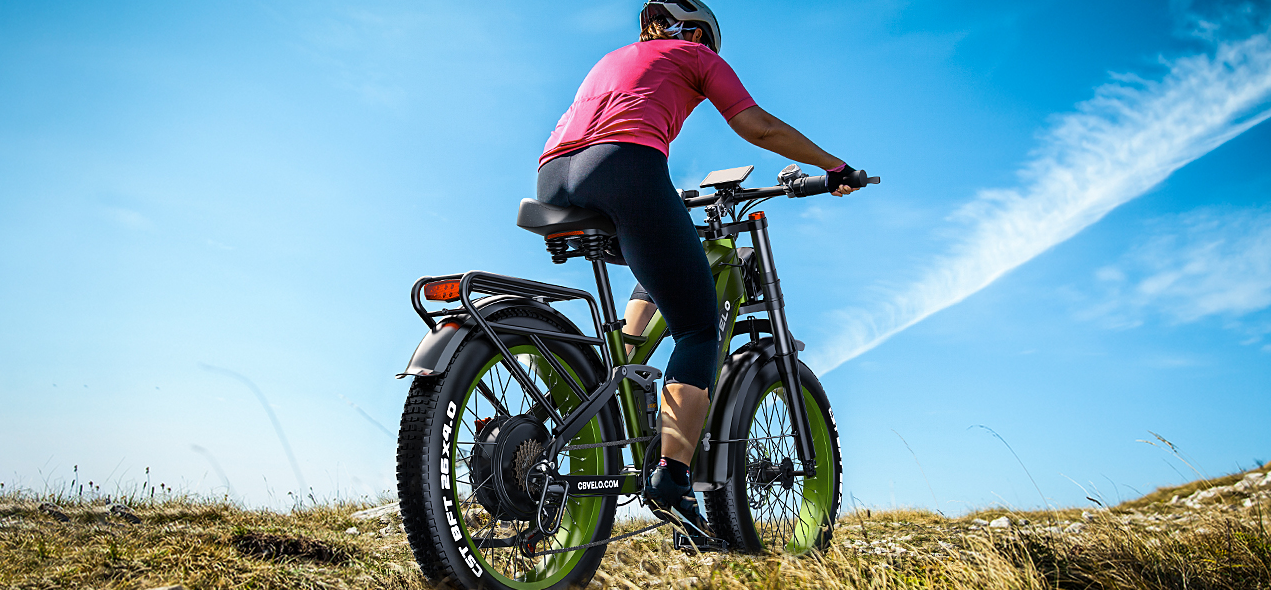
You’ve set up your tent, the campfire is crackling, and the wilderness is waiting to be explored. But hiking on foot limits how far you can go, and driving your SUV on narrow, muddy trails is out of the question.
This is where a rugged electric bike changes the game.
An outdoor e-bike isn’t just a gadget; it’s your ticket to deeper exploration, allowing you to scout fishing spots, haul firewood, or simply chase the sunset without exhausting yourself. But with so many options on the market, which ride actually fits your camping style? Let’s break down what you need to look for and match you with the perfect rig for your next adventure.
The Anatomy of a Perfect Camping E-Bike: What Actually Matters?
Before throwing money at a shiny new ride, experienced campers look at three non-negotiable factors:
- Portability: Can it fit in your trunk, RV rack, or truck bed alongside your coolers and tents?
- Traction (Tire Size): Will it sink into the sand, gravel, and mud, or glide right over them?
- Utility & Payload: Can you mount racks to carry your gear, extra water, or cooking supplies?
For most outdoor enthusiasts, fat tire electric bikes are the gold standard. They provide the stability and traction needed when you leave the asphalt behind.
Top Cybervelo E-Bikes for Your Camping Style
Different campsites demand different rides. Whether you are tight on space in a camper van or looking to conquer rugged mountain trails, we’ve analyzed four stellar options from Cybervelo to help you make the right call.
1. The Space-Saving Utility Beast: Cybervelo EK6 Max
If you travel in a compact SUV or a crowded camper, space is at a premium. You need something that packs a punch but folds down easily.
- Tire Size: 20×4.0″ (Fat Tires)
- Best For: Campers who need a balance of heavy-duty traction and easy storage.
- Why it works for camping: The Cybervelo EK6 Max combines the best of both worlds. Its $20 \times 4.0$-inch fat tires offer excellent shock absorption and grip on loose gravel, while its folding frame means you can tuck it into your trunk without needing a heavy-duty tow-hitch rack. It’s the ultimate “throw-and-go” camping companion.
2. The Trail Conqueror: Cybervelo EK9 2.0
For the adventurers who don’t just stay around the campsite but want to tackle serious backcountry trails and steep fire roads.
- Tire Size: 26 x 4.0″ (Full-Sized Fat Tires)
- Best For: Rough terrains, tall riders, and deep backcountry exploration.
- Why it works for camping: If you’ve ever ridden a smaller bike over deep ruts, you know how bumpy it can get. The Cybervelo EK9 2.0 features massive 26-inch fat tires that roll over rocks, tree roots, and mud puddles with absolute ease. According to trail safety guidelines from organizations like the International Mountain Bicycling Association (IMBA), having proper tire volume and traction is crucial for maintaining control on shared backcountry trails. This bike gives you the confidence to explore further and safer.
3. The Heavy-Duty Explorer: Cybervelo EK11
Some camping trips require hauling heavy gear—coolers, fishing tackle, or even extra firewood. You need a sturdy frame that won’t flex under pressure.
- Tire Size: 20×4.0″
- Best For: Hauling gear and navigating technical, low-speed obstacles.
- Why it works for camping: The Cybervelo EK11 is built like a tank. The compact 20-inch wheels keep the bike’s center of gravity low, making it incredibly stable even when fully loaded with gear. Its punchy motor ensures you won’t stall out when climbing steep slopes with a heavy backpack.
4. The Agile Explorer: Cybervelo Mars700
Maybe you don’t plan on riding through deep mud or loose sand, but you still want a comfortable, highly portable bike for cruising paved campground loops and hard-packed dirt roads.
- Tire Size: 20×3.0″
- Best For: Casual campground riding, paved paths, and light gravel.
- Why it works for camping: The foldable Cybervelo Mars700 strikes a sweet spot. With 3.0-inch tires, it’s lighter and more nimble than a traditional fat bike, yet offers significantly more cushion and stability than a standard commuter bike. It’s incredibly easy to lift onto a rack or pack into a hatchback.
Camping E-Bike Comparison at a Glance
| Model | Tire Size | Best Terrain | Key Advantage for Campers |
| EK6 Max | 20×4.0″ | Gravel, Mud, Sand | Folding frame + Full fat tires |
| EK9 2.0 | 26 x 4.0″ | Rugged Trails, Roots | Maximum roll-over ability & comfort |
| EK11 | 20×4.0″ | Steep Slopes, Cargo | Low center of gravity, heavy-duty build |
| Mars700 | 20×3.0″ | Hard-pack Dirt, Paved | Lightweight, highly portable, nimble |
Quick Tips for E-Bike Camping Success
- Check Local Regulations: Before you head out, verify the e-bike rules for your destination. The U.S. National Park Service has specific regulations regarding where Class 1, 2, and 3 e-bikes are allowed on public lands.
- Protect Your Battery: Extreme cold or heat can drain your battery faster. If it’s going to be a freezing night, bring your e-bike battery inside your tent or RV.
- Lock It Up: Campsites can be busy. Use a heavy-duty U-lock or chain lock to secure your bike to a tree or your vehicle’s trailer hitch when you’re sleeping or away from camp.
The Verdict: Which One Should You Pack?
Choosing the right e-bike comes down to where you camp and how you travel.
If space is your biggest hurdle but you still want to tackle wild trails, grab the EK6 Max or the Mars700 for their folding convenience. If you are heading deep into the wilderness where the paths are rough and unforgiving, the full-sized EK9 2.0 is your best bet.
Ready to elevate your outdoor adventures? Pick your model, pack your tent, and hit the trails.